Creating an inviting outdoor space is an essential part of modern living, especially as more people recognize the value of spending time in nature. Hardscaping plays a pivotal role in enhancing outdoor areas, providing structure and functionality while complementing the natural landscape. From patios to walkways and retaining walls, thoughtful professional hardscaping companies hardscape design can transform your yard into a personal oasis that encourages relaxation and recreation.
Understanding Hardscaping
At its core, hardscaping refers to the non-plant elements of landscape design. This includes materials like stone, concrete, brick, and wood, which provide durability and aesthetic appeal. Unlike softscaping—which focuses on plants and greenery—hardscaping adds defined shapes and surfaces to outdoor spaces.
When considering hardscape installation, it is essential to think about how these features will integrate with your existing landscape. Successful hardscape design not only enhances visual interest but also improves functionality. For example, a well-placed patio can serve as an outdoor dining area while also facilitating smooth traffic flow throughout your yard.
Crafting Functional Outdoor Living Spaces
Outdoor living spaces have become increasingly popular as homeowners seek to extend their living areas beyond four walls. The right hardscape features can significantly enhance these spaces. Consider designing distinct zones for cooking, dining, and lounging.
A custom hardscaping project might include a spacious patio with built-in seating and a fire pit for evening gatherings. Such designs can incorporate various materials—like stone for rustic charm or sleek pavers for a contemporary feel—depending on the desired aesthetic.
To make spending time outdoors more enjoyable, you might want to explore options such as:
Patio Installation: A well-designed patio serves as the heart of your outdoor space. Walkway Installation: Thoughtfully designed walkways guide guests through your garden while maintaining an organized appearance. Retaining Walls: These structures not only hold back soil but also create visually appealing levels in sloped yards. Outdoor Kitchens: An outdoor kitchen equipped with appliances allows for year-round entertaining. Fire Features: Fire pits or fireplaces add warmth and ambiance during cooler evenings.Choosing Materials Wisely
The choice of materials is crucial in hardscape design since they dictate the overall look and longevity of your features. Stone hardscaping offers timeless elegance; natural stones like slate or granite can provide unique textures that blend seamlessly with surrounding environments.
Concrete hardscaping is another versatile option known for its durability and low maintenance requirements. Stamped concrete can mimic other materials like stone or brick while allowing for more creativity in design patterns.
When selecting materials, consider not only aesthetics but also functionality and climate resilience. Some materials may require more upkeep than others, so weigh the trade-offs carefully based on how much time you want to invest in maintenance versus enjoying your outdoor space.
Enhancing Curb Appeal with Decorative Hardscapes
In addition to functional aspects, decorative hardscapes play a significant role in elevating curb appeal. Features such as decorative pathways or artistic retaining walls add personality to your property.
One effective way to enhance curb appeal is by integrating decorative pavers into walkway installations leading up to your front door or around gardens. Pavers come in various shapes, colors, and sizes, allowing for creative designs that reflect your style.
Another popular option is the incorporation of decorative boulders or sculptures within gardens or along pathways. These elements serve as focal points that draw attention while seamlessly blending into the surrounding landscape.
Balancing Natural Elements with Hardscape Features
While hardscaping provides essential structure to outdoor areas, it is vital to balance these elements with soft landscaping components like trees and shrubs. This interplay creates a harmonious environment where both elements complement each other.
Consider planting native species near hardscape features; they require less water and maintenance while supporting local wildlife. The interplay between greenery and structured features softens edges and brings life into otherwise rigid layouts.
For instance, framing a stone patio with flowering plants or fibrous grasses can create an inviting atmosphere that beckons you outdoors—transforming what could be just a functional space into an enchanting retreat.
Planning Your Outdoor Space
Before embarking on any hardscape installation project, careful planning is crucial for achieving cohesive designs that meet both aesthetic desires and practical needs.
Start by assessing how you intend to use the space—whether it’s hosting large gatherings or creating quiet areas for personal reflection—and let this guide your decisions regarding layout and features. Drawing out sketches can help visualize various configurations before making final choices.
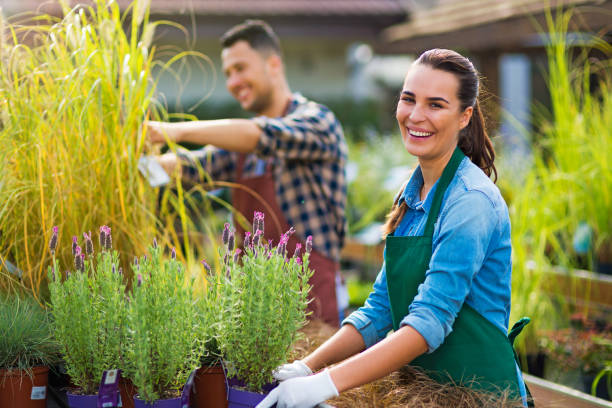
Additionally, consult with professionals who specialize in quality hardscaping; their expertise ensures that installations are executed correctly from structural integrity perspectives while adhering to local regulations related to drainage systems or building codes.
Key Considerations During Planning
- Budgeting: Determine how much you’re willing to invest upfront versus ongoing costs associated with maintenance. Functionality: Analyze foot traffic patterns; ensure pathways lead naturally from one area of activity to another without hindrance. Climate Resilience: Choose materials suitable for prevailing weather conditions; frost-resistant products may be necessary if you live in colder climates. Lighting: Incorporate lighting into designs early on; strategically placed fixtures illuminate paths safely after dark while adding ambiance. Accessibility: Ensure all areas are easily accessible regardless of mobility challenges among family members or guests.
Professional Hardscaping Services
Navigating through options available for residential or commercial hardscaping projects can be overwhelming without professional guidance. Experienced contractors understand nuances such as erosion control measures required when installing retaining walls or proper drainage techniques near patios—all critical factors affecting long-term performance.
Working alongside professionals helps streamline processes from concept development through execution phases efficiently while ensuring compliance with safety standards established by governing bodies within communities where projects occur.
Investing time finding reputable contractors who prioritize quality craftsmanship not only guarantees optimal results but ultimately leads toward creating beautiful yet sustainable environments where families spend quality time together outdoors year-round!
Conclusion
Transforming your outdoor space through thoughtful hardscape design opens opportunities for enjoyment beyond traditional indoor settings—a vital consideration given our busy lifestyles today! By exploring diverse options ranging from patios adorned by lush greenery alongside intricate walkways framed by artistic elements—you’ll cultivate inviting spaces encouraging relaxation amidst nature’s beauty right at home!
Whether engaging professional services specializing in custom installations tailored specifically towards individual needs—understanding core principles surrounding effective landscape integration remains paramount throughout this journey towards creating stunning outdoor havens perfect suited for socializing during warm summer evenings!